
Radon is an invisible, odorless, and tasteless gas that can pose significant health risks to people exposed to it over time. Found naturally in soil, rocks, and water, radon becomes a problem when it seeps into homes and accumulates to dangerous levels. For homeowners in Tennessee, understanding the significance of radon testing is crucial to ensuring a safe living environment. This guide will explore why radon testing is essential, how it works, and what steps you can take to mitigate radon exposure in your home.
What Is Radon and Why Is It Dangerous?
Radon is a naturally occurring radioactive gas that forms when uranium in soil and rocks breaks down. As it rises through the ground, radon can enter homes through cracks in the foundation, gaps around pipes, and even through well water. Prolonged exposure to high levels of radon increases the risk of developing lung cancer, making it a serious public health concern.
According to many experts, radon is the second leading cause of lung cancer after smoking. This makes it critical for homeowners to be aware of radon levels in their living spaces, especially in areas like Tennessee, where certain geological conditions can contribute to higher radon levels.
How Does Radon Enter Tennessee Homes?
Tennessee’s unique geological makeup, including its abundant limestone and shale formations, can lead to elevated radon levels in many regions. Radon typically enters homes through:
- Cracks in the foundation or basement floors.
- Spaces around utility pipes and construction joints.
- Sump pumps and drainage systems.
- Well water used for drinking or bathing.
Once inside, radon can accumulate to levels that pose health risks, especially in sealed and poorly ventilated homes.
How Is Radon Testing Conducted?
Testing for radon is a straightforward process and is the first step in identifying potential risks. There are two primary methods to test for radon:
Short-Term Testing
Short-term radon tests typically last from 2 to 7 days and provide a quick snapshot of radon levels in your home. These tests are often used as an initial screening to determine if further action is needed.
Long-Term Testing
For a more accurate assessment, long-term tests measure radon levels over a period of 90 days or more. These tests account for fluctuations in radon levels due to weather, ventilation, and other factors, providing a comprehensive understanding of your home’s radon exposure.
What Do Radon Test Results Mean?
Radon levels are measured in picocuries per liter (pCi/L) of air. The Environmental Protection Agency (EPA) recommends taking action to mitigate radon if levels exceed 4 pCi/L. However, even levels between 2 and 4 pCi/L may pose risks, and homeowners should consider reducing radon exposure whenever possible.
Steps to Mitigate Radon in Your Home
If testing reveals elevated radon levels, there are several effective methods to reduce radon exposure:
- Sealing Cracks and Openings: Fixing cracks in the foundation and sealing gaps around pipes can help prevent radon from entering your home.
- Improving Ventilation: Increasing airflow in your home, especially in basements and crawl spaces, can help reduce radon levels.
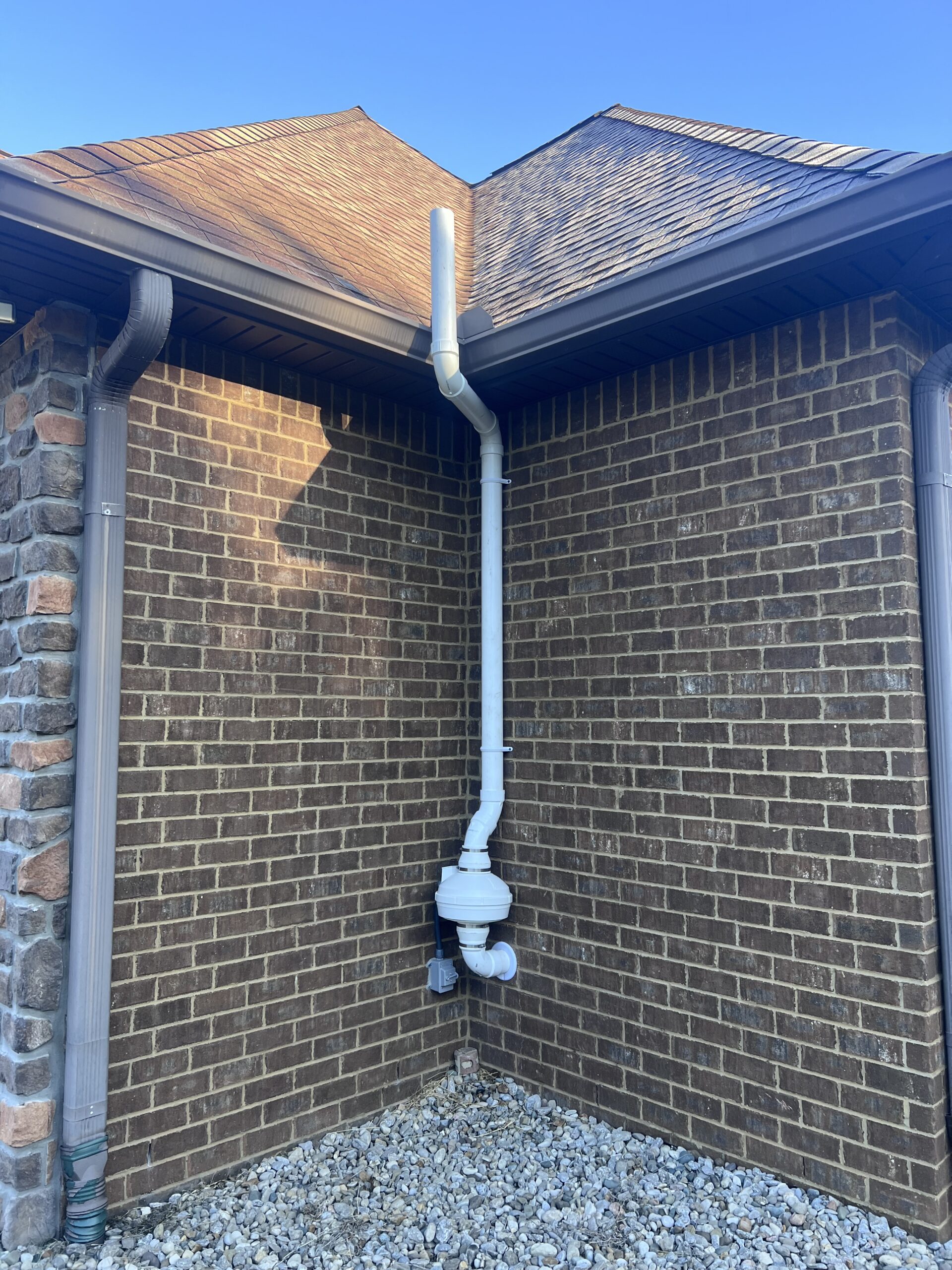
- Installing a Radon Mitigation System: Professional radon mitigation systems, such as sub-slab depressurization, are highly effective in lowering radon levels. These systems work by venting radon gas from beneath the foundation to the outside, preventing it from accumulating indoors.
- Testing Well Water: If your home uses well water, testing and treating it for radon can help mitigate risks.
Why Radon Testing Is Especially Important in Tennessee
Tennessee residents should prioritize radon testing because the state has several counties with high radon potential. The combination of geological factors and the prevalence of basements and crawl spaces in Tennessee homes makes regular radon testing vital for ensuring safety.
Additionally, Tennessee experiences a wide range of weather conditions, which can impact radon levels. Seasonal changes, including temperature fluctuations and humidity, can cause radon levels to rise and fall, making periodic testing a smart precaution.
Frequently Asked Questions About Radon Testing
1. How often should I test my home for radon?
It’s recommended to test your home for radon every two years or after any major renovations that could affect your home’s foundation.
2. Can I test for radon myself?
Yes, DIY radon test kits are available and easy to use. However, for more accurate results, consider hiring a certified radon professional.
3. Is radon only a concern for older homes?
No, radon can affect homes of any age, design, or location. Even newly built homes can have elevated radon levels.
4. How much does radon mitigation cost?
The cost of radon mitigation varies depending on the size and design of your home, but most systems range from $800 to $2,500.
5. What are the health risks of radon exposure?
Long-term exposure to radon increases the risk of lung cancer, particularly for smokers. Reducing radon levels in your home can significantly lower this risk.
Conclusion
Radon testing is a critical step in protecting the health and safety of your family. For Tennessee homeowners, understanding the risks associated with radon and taking proactive measures to test and mitigate it can make all the difference. Regular testing, combined with effective mitigation strategies, ensures that your home remains a safe and healthy environment for years to come.